
A boy in Puttaparthi
192623 November
Born
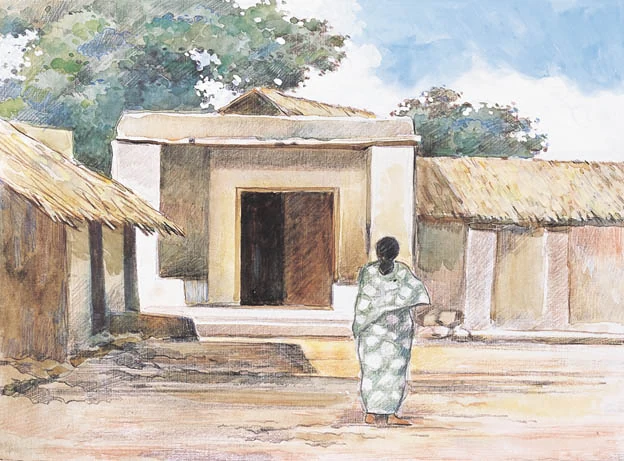
Sathyanarayana Raju is born on a Monday morning in the month of Kartika, in a thatched house where his father keeps a small shop in the next room.
52 moments. Swipe through them.
A boy in Puttaparthi
192623 November
Sathyanarayana Raju is born on a Monday morning in the month of Kartika, in a thatched house where his father keeps a small shop in the next room.
A boy in Puttaparthi
1930s
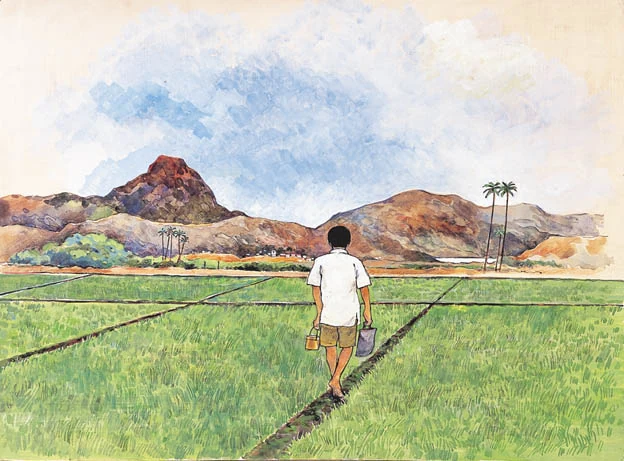
From the age of eight he walks two and a half miles to school at Bukkapatnam, carrying his midday meal — and in the monsoon, wading neck-deep water with his school bag on his head.
A boy in Puttaparthi
1930s
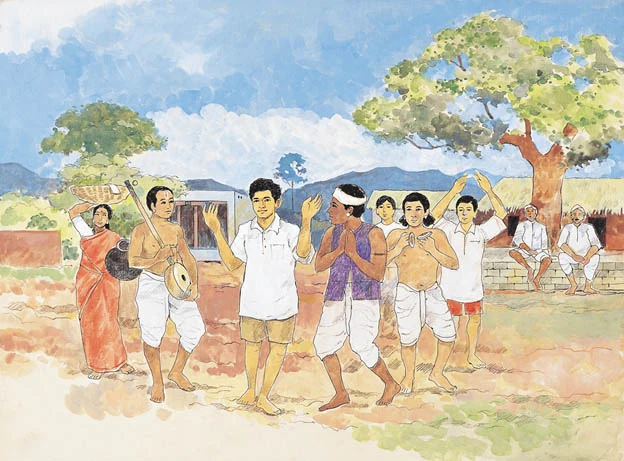
He gathers sixteen or eighteen boys into a singing group and serves as its organiser, treasurer, composer and lead singer. Soon the neighbouring villages ask for them.
A boy in Puttaparthi
1930s
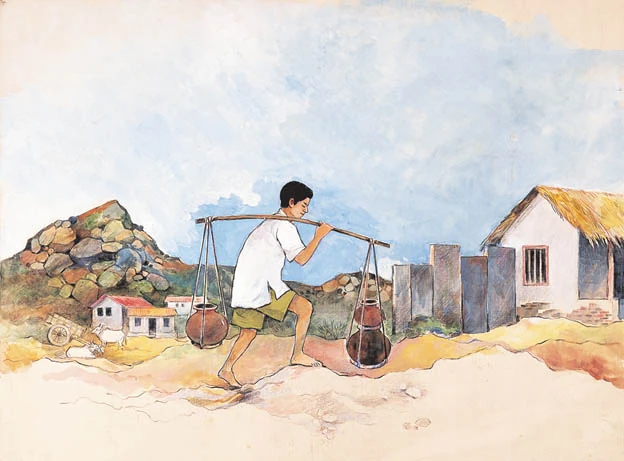
Sent to live with his elder brother, he wakes at four to the bell of a steam engine and carries two pots of water before school. He gives away his share of food to whoever has none.
A boy in Puttaparthi
194023 May
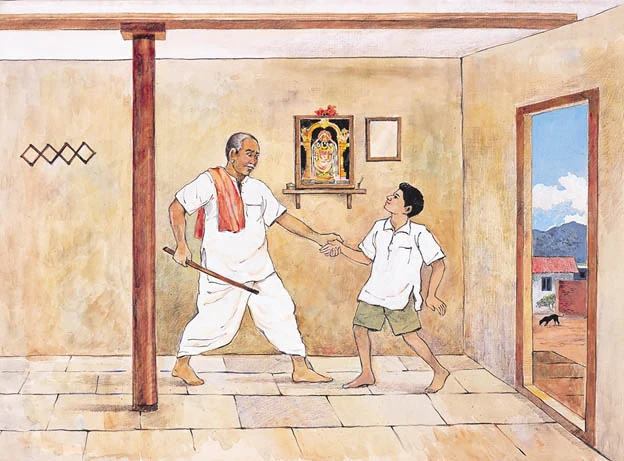
He gives out sweets and flowers from empty hands. Asked by his father whether he is god, ghost or madcap, he answers: I am Sai Baba.
A boy in Puttaparthi
194020 October
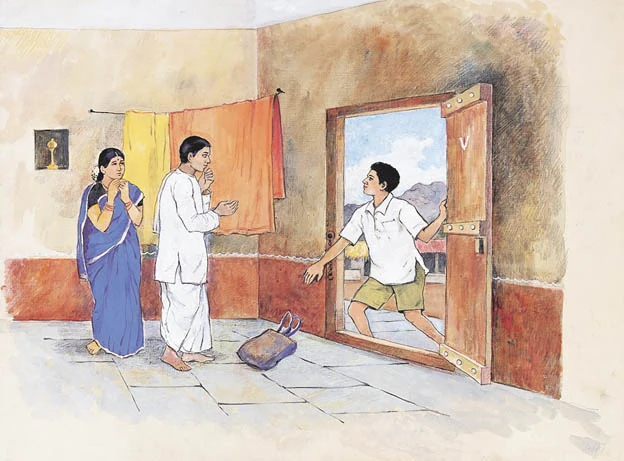
Standing in his brother’s doorway he sets down his schoolbooks for the last time, and walks out to a garden where a crowd gathers to sing the first bhajan he teaches them.
A place to come to
194514 December
On Vaikunta Ekadashi a tin shed with an annexe is opened on land given by two widows, Subbamma and Kamalamma. It is home for five years; the largest room is the prayer hall.
A place to come to
194725 May
At twenty-one he writes to his brother Seshama Raju setting out, in full, the mission he has come for.
A place to come to
194725 October
He speaks in public for the first time, at Karur in Tamil Nadu. Thousands of discourses follow over the next sixty-three years.
A place to come to
194814 January
Work begins on Prasanthi Nilayam, the Abode of Supreme Peace.
A place to come to
195023 November
The ashram is inaugurated on his twenty-fifth birthday. It remains the centre of everything that follows.
Teaching, and the first institutions
1954
The foundation stone is laid for the Sri Sathya Sai General Hospital. When it opens in 1956 it is the first medical care of any kind in the region.
Teaching, and the first institutions
19571 July
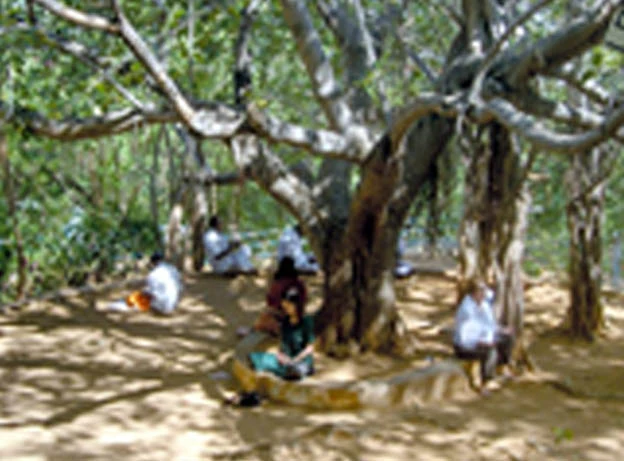
He plants a banyan on the hill behind the ashram for those who come to meditate. It is standing still.
Teaching, and the first institutions
19582 February
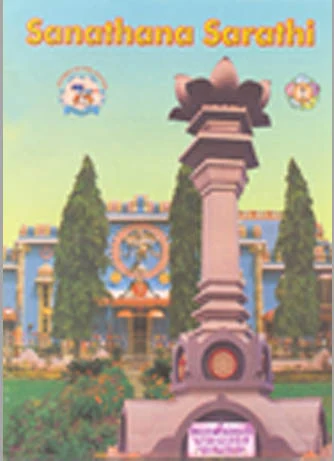
The ashram begins a monthly magazine. Over the next quarter century he writes fifteen series of articles for it in plain spoken Telugu — Prema Vahini, Dharma Vahini, Dhyana Vahini and the rest.
Teaching, and the first institutions
1959June
Beneath the banyan he installs a copper yantra, about fifteen inches by ten, materialised earlier that year from the sands of the Chitravathi.
Teaching, and the first institutions
1960
He begins the Sri Sathya Sai Seva Organisations in India, so that people of every religion, class and caste can serve together. In time they reach more than 126 countries.
Teaching, and the first institutions
1960
Professor N. Kasturi of Mysore University publishes the first volume of the biography.
Teaching, and the first institutions
19621 October
The week-long Dasara yajna is inaugurated, and Vedic scholars come from across India to speak on Sanathana Dharma as a way of living.
Teaching, and the first institutions
1963Guru Poornima
In the discourse that day he speaks of the triune advent — Shirdi Sai, Sathya Sai, Prema Sai.
Teaching, and the first institutions
1964
A second ashram is established at Whitefield, on the outskirts of Bangalore.
Teaching, and the first institutions
196812 May
The Bombay headquarters is opened, with devotees arriving from more than twenty countries across four continents.
Teaching, and the first institutions
196830 June
He leaves India for the only time in his life.
Teaching, and the first institutions
196822 July
The college opens at Anantapur — the first of the campuses that become the university.
Teaching, and the first institutions
19699 June
The second college opens at Brindavan, Whitefield.
Teaching, and the first institutions
1972May
A summer school in Indian culture and spirituality is held for students from across the country, who also go out into the villages to serve.

Teaching, and the first institutions
19722 September
The Sri Sathya Sai Central Trust is founded to carry the charitable work. Every project on this page after this date is its doing.
Teaching, and the first institutions
197217 October
The great hall at Prasanthi Nilayam is opened.
The mission widens
1975
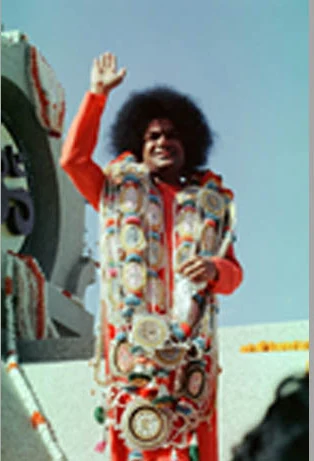
At the fiftieth birthday he inaugurates the pillar that stands for the unity of the world’s religions.
The mission widens
197628 August
A general hospital opens on the outskirts of Bangalore. The same year, Srimathi Easwaramma High School opens at Puttaparthi.
The mission widens
198115 June
The schools at Prasanthi Nilayam open, completing a path from the first class to a degree.
The mission widens
198122 November
The Sri Sathya Sai Institute of Higher Learning is inaugurated in the presence of the Chief Justice of India.
The mission widens
1983
A publishing trust is established to carry the teachings, and has done so ever since.
The mission widens
1985
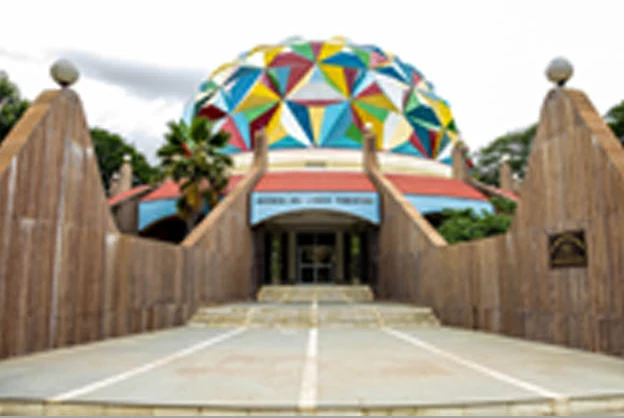
A planetarium opens at Prasanthi Nilayam, so that students might look up.
The mission widens
1990
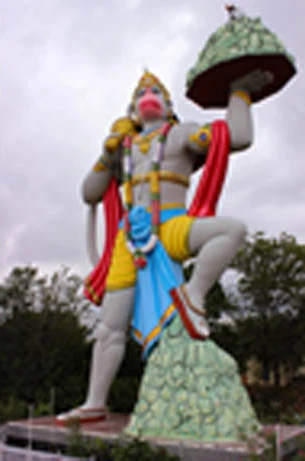
A statue sixty-five feet high is raised at the top of the Hill View Stadium for the sixty-fifth birthday.
The mission widens
199115 November
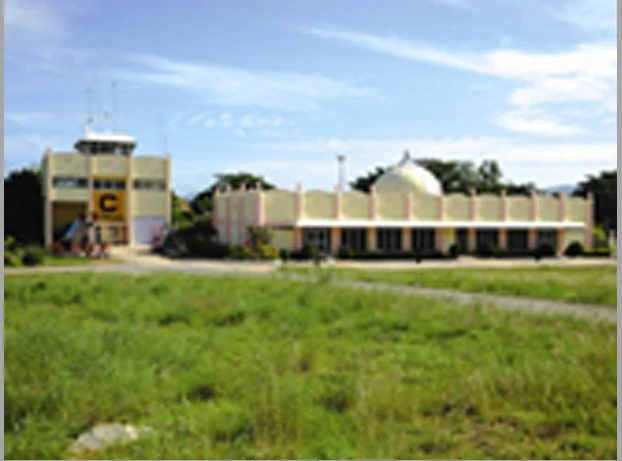
An airport is inaugurated at Prasanthi Nilayam.
The mission widens
199122 November
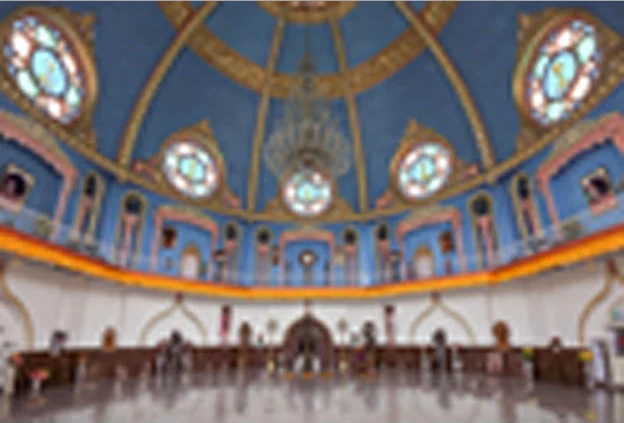
A 230-bed hospital opens at Prasanthigram, giving heart and kidney surgery at the highest level, free, to anyone who needs it. Its dome rises ninety feet.
Water
1995March
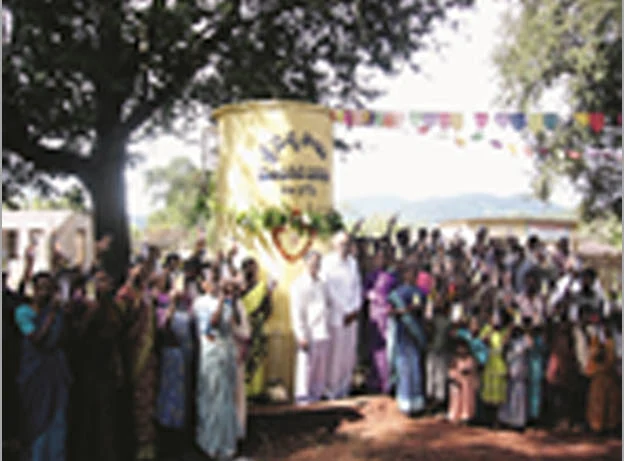
Work starts on bringing drinking water to a district whose rivers run dry and whose groundwater carried enough fluoride to deform bone.
Water
199518 November
The Prime Minister inaugurates the first phase. In eighteen months some 2,000 kilometres of pipeline reach about 730 villages and 1.25 million people.
Water
19959 July
A hall is opened that holds twenty thousand people at a time for darshan.
Water
199730 December
An India XI captained by Sachin Tendulkar plays at the Hill View Stadium. Earlier that year, the first Sai World Youth Conference is held.
Water
199923 November
The Department of Posts issues a stamp and a postal cover for the water work.
Water
200018 November
A museum of the life and message opens for the seventy-fifth year of the advent.
Water
200119 January
A second free super-speciality hospital, of 333 beds, is opened by the Prime Minister — built in nine months and six million man hours.
Water
2001
The water model is repeated for 320 villages in Medak and Mahbubnagar. Radio Sai begins broadcasting from Prasanthi Nilayam, around the clock.
Water
200219 January
He announces that Krishna water will reach a city of millions that was managing on a third of what it needed.
Water
200423 November
On his seventy-ninth birthday the Kandaleru gates are raised. The water covers 150 kilometres in four days, and the Poondi reservoir begins to fill.
Water
200622 November
The President of India opens an Olympic-standard indoor stadium, a hundred metres by sixty.
Water
200715 September
Water projects serving some 452 upland and tribal habitations are handed to the state. That year, 6,000 young people from 85 countries come to Prasanthi Nilayam.
What was left behind
20087 October
After floods leave about four million people in Odisha homeless, a housing project is announced. In both phases, 1,000 houses are built for 1,000 families.
What was left behind
2010November
The advent is celebrated across India and in 125 countries. He gives his last discourse at the twenty-ninth convocation of the university.
What was left behind
201124 April
After eighty-six years. The schools, the hospitals, the water and the organisations carry on.
What was left behind
202623 November
A century since the morning in the thatched house. You are reading this because somebody in North Dallas wanted you to mark it with them.
1 / 52
Dates and events are drawn from the life history and project records published by theSri Sathya Sai Central Trust, which tells each of them at far greater length than there is room for here.